Stop Rotating API Keys. Start Expiring Them.
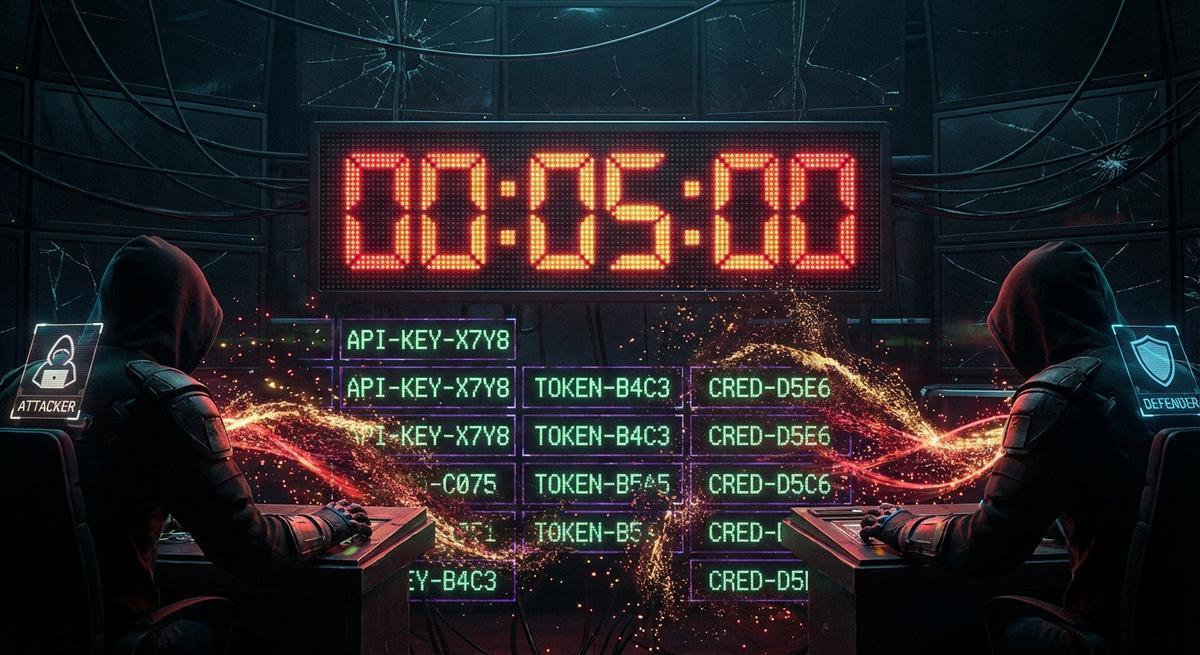
Rotation assumes keys are valid until scheduled. Expiration assumes they're dangerous from day one. One of those assumptions matches how attackers actually behave.
Practical security insights and product updates from the team building safer, simpler key management for modern APIs.
Rotation assumes keys are valid until scheduled. Expiration assumes they're dangerous from day one. One of those assumptions matches how attackers actually behave.
If your AI agent traces include tool-call HTTP bodies - and they do by default in LangChain, LlamaIndex, and most OpenTelemetry setups - every API key your agent touched is sitting in your observability stack.
Most teams can't answer a basic question: if this API key leaks, how much damage can it do? We built a blast radius report to find out. The answer was worse than expected.
Share secrets with configurable view limits, IP and country restrictions, longer expiration windows, and email notifications before expiry. Four new features for secure credential sharing.
Your secrets management provider can read your plaintext API keys. Here's how zero-knowledge encryption works, what it changes for compliance, and when enterprise teams actually need it.
AWS Secrets Manager is $0.40/secret/month with API call fees that add up fast. Here's the real cost breakdown for 2026 and when a dedicated secrets vault saves you money and headaches.
Master secure API key management with best practices for storage, rotation, and monitoring. Protect your secrets and maintain compliance with this complete developer guide.
Most AI agents ship with overpowered API keys and scopes they'll never use. These 10 checks find the excess permissions your agent is carrying before an attacker finds them for you.
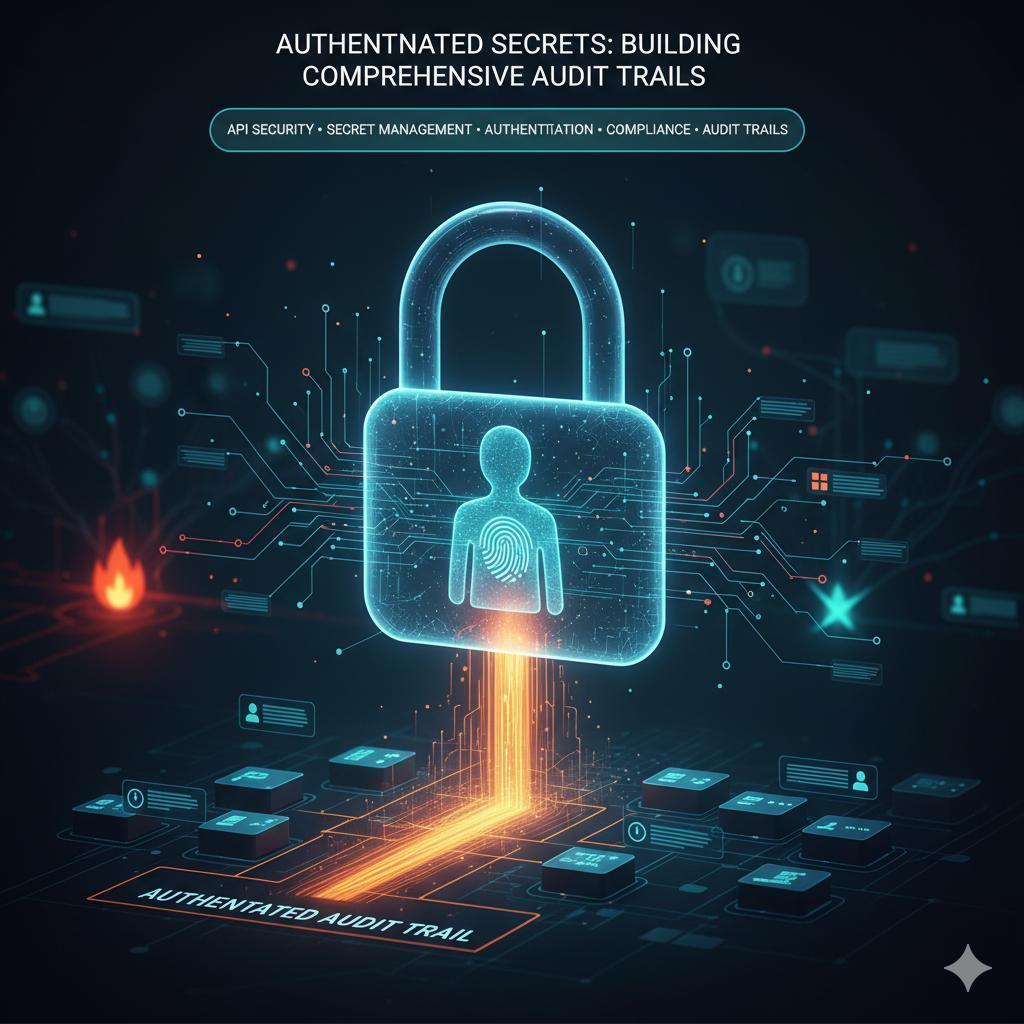
Discover how authenticated one-time secrets create comprehensive audit trails, eliminate anonymous access, and transform security, with zero workflow disruption.
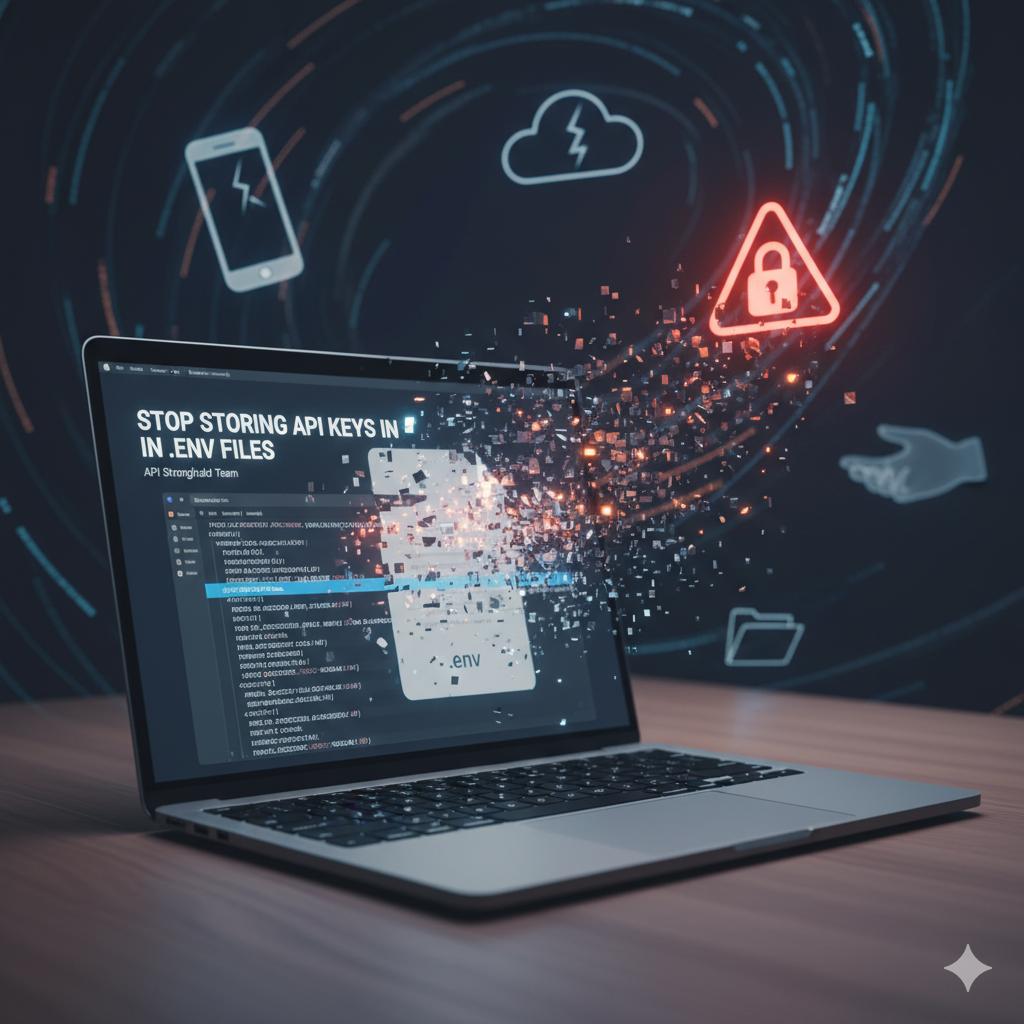
That .env file on your laptop? It's probably the biggest security hole in your development workflow. Here's why 73% of credential leaks start with local environment files, and how to fix it.