
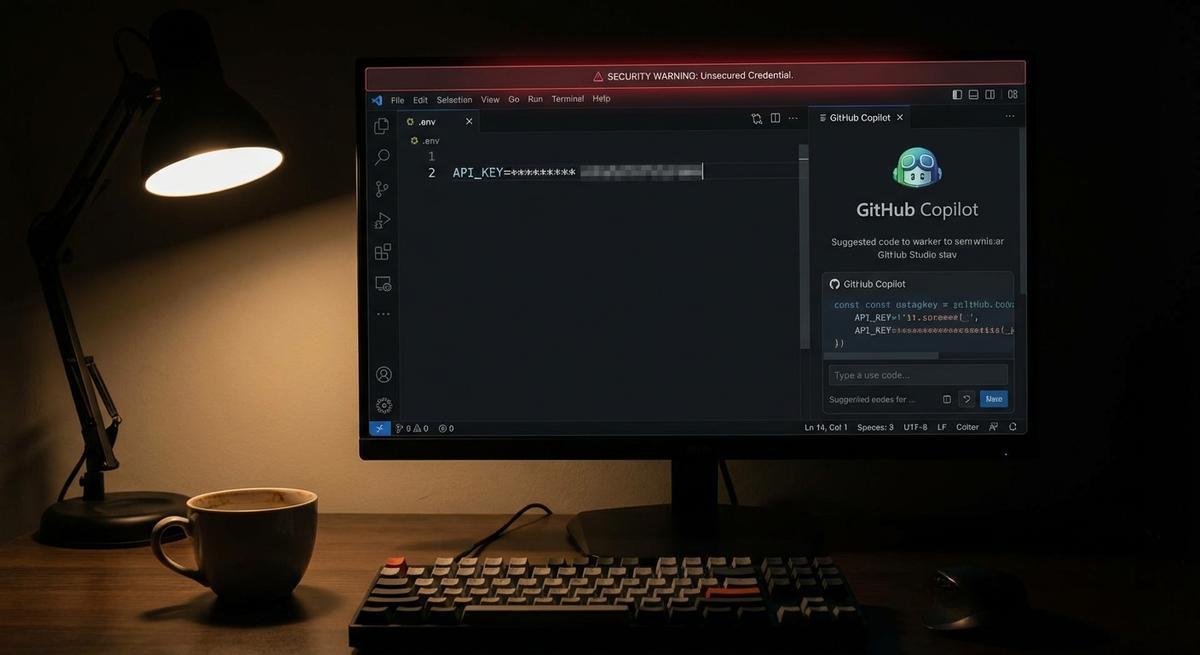
Before April 24: Close Your .env Files and Read This First
GitHub Copilot's new training policy starts April 24. The risk isn't just code, it's the secrets in your open files. Here's a 5-minute checklist to protect your API keys.
Practical security insights and product updates from the team building safer, simpler key management for modern APIs.
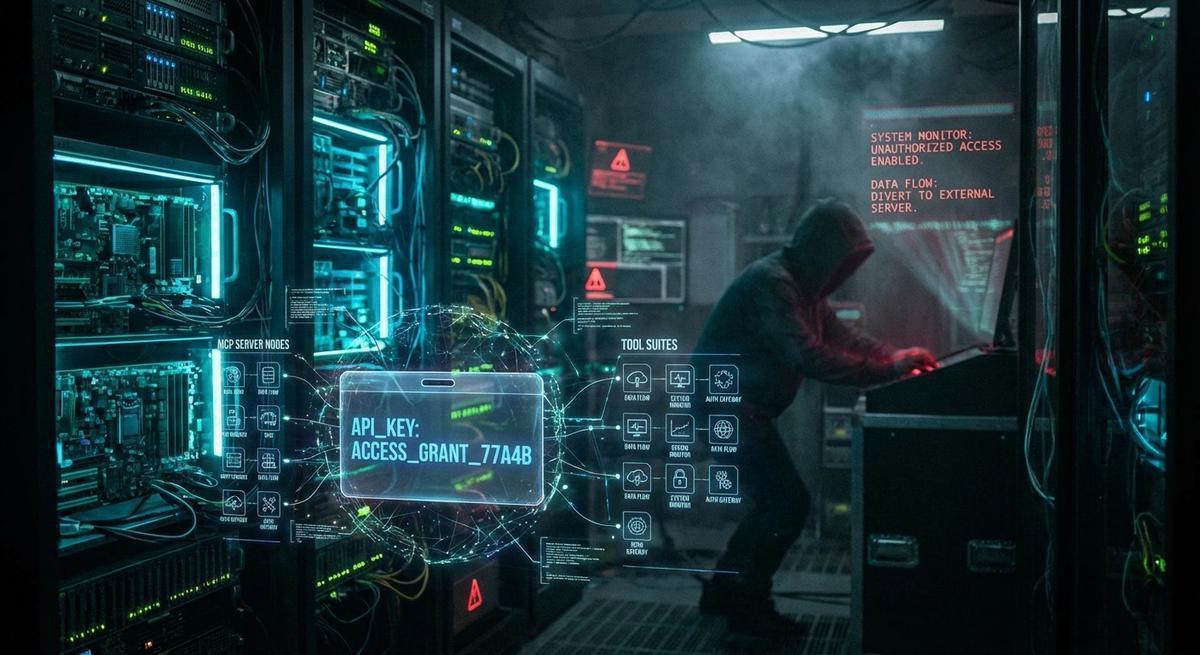
MCP skill marketplaces have the same supply chain problems as npm, except the blast radius is your AI agent's full context window. Here are 5 vulnerabilities with code fixes you can deploy today.
Read →
Your secrets management provider can read your plaintext API keys. Here's how zero-knowledge encryption works, what it changes for compliance, and when enterprise teams actually need it.
Read →
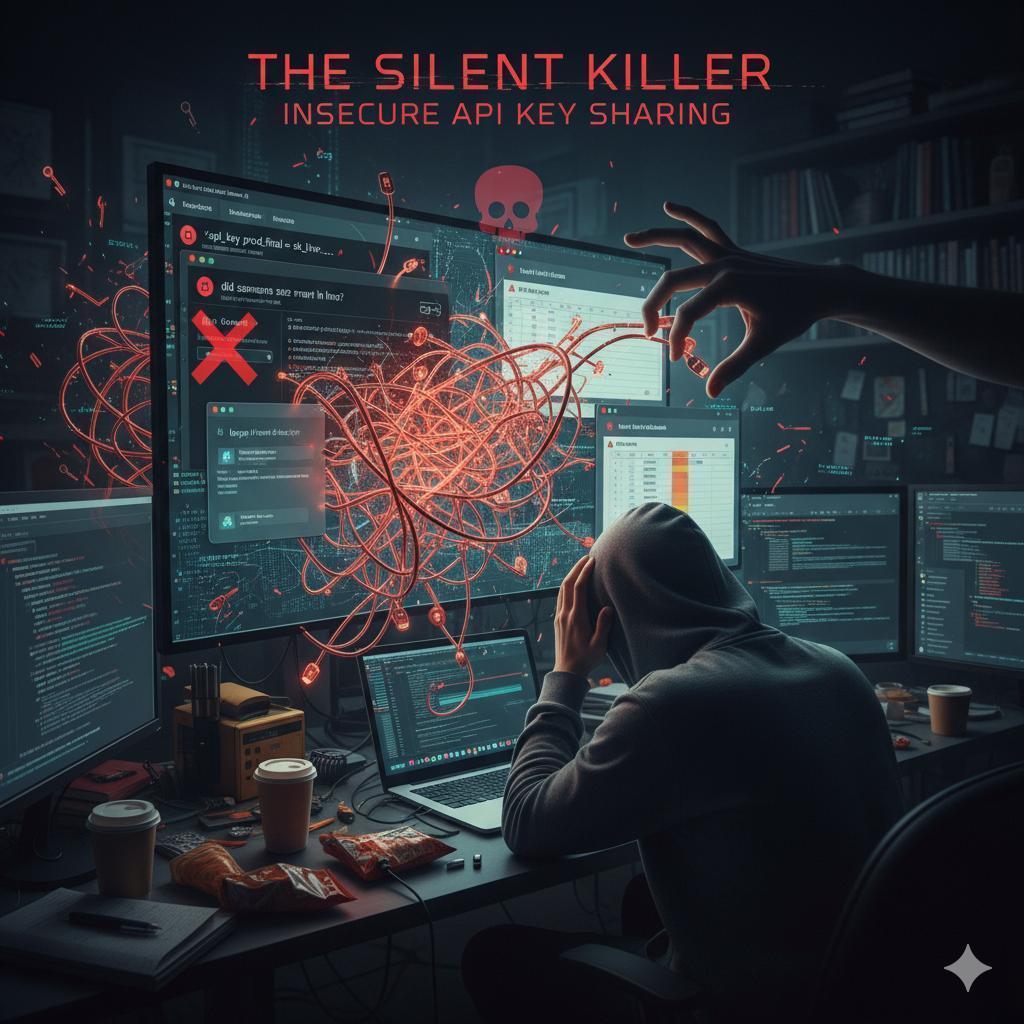
API keys shared through Slack, email, and spreadsheets waste developer hours and create security gaps. Here's what insecure credential sharing actually costs your team, and how to fix it with automated, encrypted sharing.
Read →
GitHub Copilot's new training policy starts April 24. The risk isn't just code, it's the secrets in your open files. Here's a 5-minute checklist to protect your API keys.
Rotation assumes keys are valid until scheduled. Expiration assumes they're dangerous from day one. One of those assumptions matches how attackers actually behave.
If your AI agent traces include tool-call HTTP bodies - and they do by default in LangChain, LlamaIndex, and most OpenTelemetry setups - every API key your agent touched is sitting in your observability stack.
Long-lived credentials in `.env` files aren't a best practice; they're a countdown timer. Workload identity gives agents short-lived tokens that expire before they can do damage.
The LiteLLM 1.82.7 backdoor drained API keys before most teams could rotate. Phantom tokens make stolen credentials worthless by design.
Localhost phantom tokens give you a false sense of security. Production environments break the pattern in 4 specific ways. Here's the 3-command setup that actually holds up.
A ClawHub skill runs with the same permissions as your OpenClaw agent, no sandbox, no isolation. Here's what you should check before installing any third-party skill.
When AI agents go wrong, everyone blames the model. They're wrong. A forensic look at real incidents shows the same credential architecture failure, every time.
Tool poisoning bypasses credential security entirely by corrupting your agent's tool calls at runtime. No stolen keys, no breach alerts, just your agent doing exactly what an attacker wants.
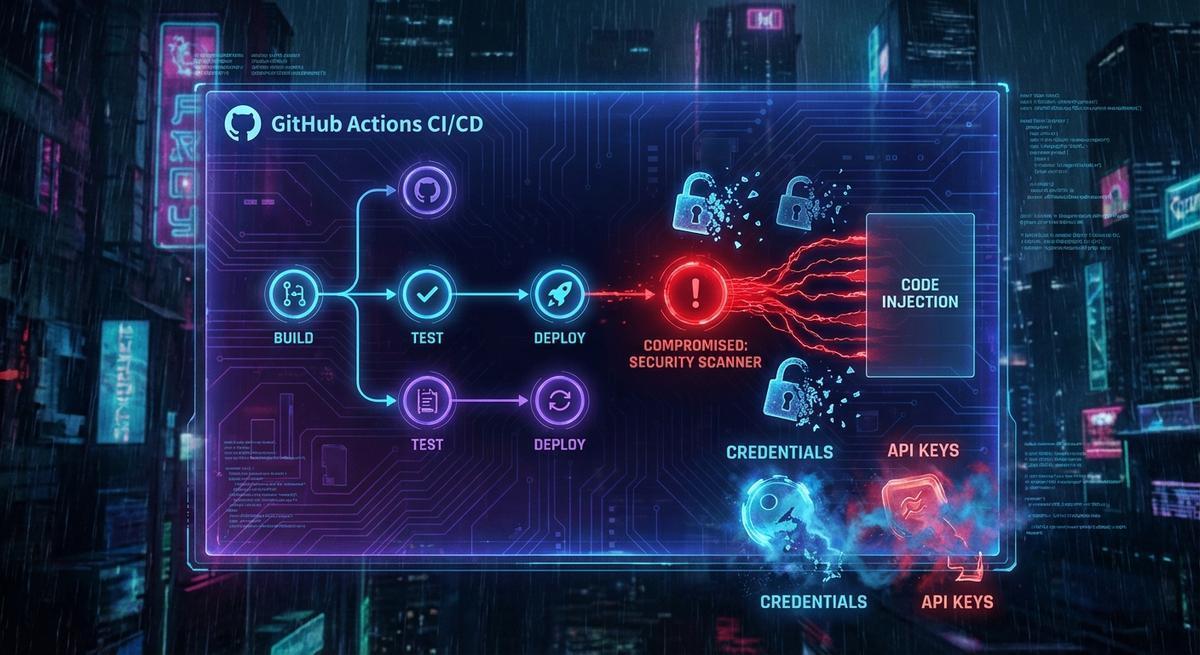
The Trivy action attack exfiltrated AWS keys, GitHub tokens, and SSH credentials from pinned pipelines. Pinning fixes one vector. Scoped, ephemeral secrets fix the problem.